A tremendously admired fruit, mangoes are full-fledged just about the world, from Mexico to Israel to Australia. In the United States, one can move toward transversely mango groves successful under Florida's sunny skies. The aromatic flavor of the mango is used to color up the whole lot from salads and desserts to drinks. In Asian cooking, mangoes mark drastically in salads and rice dishes.
Deciding over Mangoes

While choosing mangoes, one might stare for ones with unwrinkled skin that give up to calm weightiness (like a ripe peach). Unripe mangoes must ripen within a week at room temperature. Once ripened, mangoes could be kept in the refrigerator, but they must be eaten within a couple of days. Moreover, refrigeration tediousises their fragrant scent, so remember to leave them at room temperature for awhile before eating. One word of warning: be sure not to eat the mango skin. Primarily it looks as if not dangerous adequate by way of uniformity akin to the skin of an apple and a slightly mild flavor. Then the relish strikes you, and you without setback recognize why people submit to this as distress from "turpentine mouth."
Mangosteen

Mangosteen are not normally grown outside Asia and Australia, as they are exceptionally tricky to grow and necessitate a tropical, humid climate. While in season, they are available at Asian/Chinese markets. The United States has lately raised a long-term ban on mangosteen bring in (due to concerns over likely fruit-fly contamination) to allow imports of irradiated mangosteen from Thailand.
When acquiring mangosteen fruit, look for ones that are dark purple or reddish purple but not blue-black in color. (Once home, it pays to look them over again carefully; I had a nasty experience recently when I discovered tiny ants living underneath the flower remnants). Mangosteens are commonly eaten raw as a dessert.
Lychees
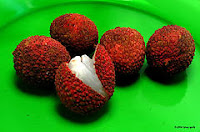
Preserved lychees are impatiently offered right through the year; depending on somewhere you live, you may also be able to procure unsullied lychees during the summer months when they are in season. (Like mangos, lychees thrive in Florida's warm climate). A little gourmand’s claim that there is no association flanked by fresh and canned lychees. While I wouldn't go that far, there is no doubt that fresh lychees have a stronger flavor, so try them if you can.
While choosing fresh lychees, check for a rosy looking skin. (Unlike mangos, lychees will not ripen extra after being harvested). At home, store them in a plastic bag in the refrigerator and eat within a week. Lychees are a popular dessert, and both mangos and lychees are old in Asian savory dishes.
Previous to eating fresh lychees, get rid of the stem and peel off the outer skin. Bear in mind that the shiny brown seed in the middle is also unpalatable and wants to be removed.
Wheras a mangosteen, the simplest technique is to place the mangosteen in the palm of your hands, with the flower stem on top, and employ your fingers to exert calm heaviness on it until it cracks open. one more alternative is to cut from side to side the diameter of the shell all the way around, and then purely lift off the top. Just remember not to cut through the segments.
Featured Asian Fruit Recipes:
Shrimp and Scallop Shu Mai in Spicy Mango Sauce
Mango Chicken Stir-fry
Pork With Lychees
Chinese Chilled Melon Fruit Salad With Mango and Papaya
Chinese Fruit Salad
Mango Pudding
Mango Ice Cream
Mango Muffins
Mango Lassi - a refreshing yogurt drink fron Northern India
Mango and Lemon Cream Cheese Tart - from About's guide to Australian Food.
Mango Smoothie With Yogurt - from About's Guide to Southern U.S. Cuisine
Pollo al Mango - Mango Chicken Italian-Style, from About's Italian Cuisine Guide
Mango Julius - a non-alcoholic "mocktail," from About's Guide to Cocktails.
Deciding over Mangoes
While choosing mangoes, one might stare for ones with unwrinkled skin that give up to calm weightiness (like a ripe peach). Unripe mangoes must ripen within a week at room temperature. Once ripened, mangoes could be kept in the refrigerator, but they must be eaten within a couple of days. Moreover, refrigeration tediousises their fragrant scent, so remember to leave them at room temperature for awhile before eating. One word of warning: be sure not to eat the mango skin. Primarily it looks as if not dangerous adequate by way of uniformity akin to the skin of an apple and a slightly mild flavor. Then the relish strikes you, and you without setback recognize why people submit to this as distress from "turpentine mouth."
Mangosteen
Mangosteen are not normally grown outside Asia and Australia, as they are exceptionally tricky to grow and necessitate a tropical, humid climate. While in season, they are available at Asian/Chinese markets. The United States has lately raised a long-term ban on mangosteen bring in (due to concerns over likely fruit-fly contamination) to allow imports of irradiated mangosteen from Thailand.
When acquiring mangosteen fruit, look for ones that are dark purple or reddish purple but not blue-black in color. (Once home, it pays to look them over again carefully; I had a nasty experience recently when I discovered tiny ants living underneath the flower remnants). Mangosteens are commonly eaten raw as a dessert.
Lychees
Preserved lychees are impatiently offered right through the year; depending on somewhere you live, you may also be able to procure unsullied lychees during the summer months when they are in season. (Like mangos, lychees thrive in Florida's warm climate). A little gourmand’s claim that there is no association flanked by fresh and canned lychees. While I wouldn't go that far, there is no doubt that fresh lychees have a stronger flavor, so try them if you can.
While choosing fresh lychees, check for a rosy looking skin. (Unlike mangos, lychees will not ripen extra after being harvested). At home, store them in a plastic bag in the refrigerator and eat within a week. Lychees are a popular dessert, and both mangos and lychees are old in Asian savory dishes.
Previous to eating fresh lychees, get rid of the stem and peel off the outer skin. Bear in mind that the shiny brown seed in the middle is also unpalatable and wants to be removed.
Wheras a mangosteen, the simplest technique is to place the mangosteen in the palm of your hands, with the flower stem on top, and employ your fingers to exert calm heaviness on it until it cracks open. one more alternative is to cut from side to side the diameter of the shell all the way around, and then purely lift off the top. Just remember not to cut through the segments.
Featured Asian Fruit Recipes:
Shrimp and Scallop Shu Mai in Spicy Mango Sauce
Mango Chicken Stir-fry
Pork With Lychees
Chinese Chilled Melon Fruit Salad With Mango and Papaya
Chinese Fruit Salad
Mango Pudding
Mango Ice Cream
Mango Muffins
Mango Lassi - a refreshing yogurt drink fron Northern India
Mango and Lemon Cream Cheese Tart - from About's guide to Australian Food.
Mango Smoothie With Yogurt - from About's Guide to Southern U.S. Cuisine
Pollo al Mango - Mango Chicken Italian-Style, from About's Italian Cuisine Guide
Mango Julius - a non-alcoholic "mocktail," from About's Guide to Cocktails.


